

Hormonal stress dysregulation is increasingly common in modern life. Chronic stress can disrupt the hypothalamic pituitary adrenal (HPA) axis, alter cortisol rhythms, affect thyroid function and sex hormones, and contribute to symptoms such as fatigue, anxiety, poor sleep, low mood, and metabolic issues.
Medicinal mushrooms offer a gentle, food-based approach to support the body’s stress response and hormonal balance. Dr Noels Mushroom Powders focus on five of the most researched functional mushrooms: Lion’s Mane, Cordyceps, Chaga, Reishi, and Turkey Tail. These mushrooms do not work like pharmaceutical hormones. Instead, they support the systems that regulate stress, immunity, inflammation, and energy production, which in turn can help restore a healthier hormonal environment.
Below is an overview of how each mushroom may support people experiencing hormonal stress dysregulation, along with key research references. Always consult a qualified health practitioner, especially if you are on medications or have a diagnosed endocrine condition.
Lion’s Mane: Brain, Mood and the Stress Response
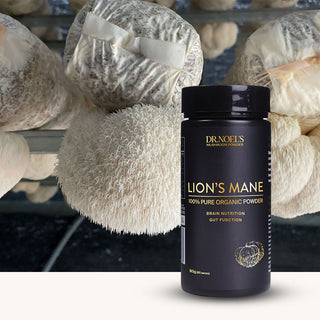
Lion’s Mane (Hericium erinaceus) is best known for its effects on the brain and nervous system. Chronic stress and elevated cortisol can impair neuroplasticity and contribute to anxiety, depression, and cognitive fog. Lion’s Mane appears to counter some of these effects:
-
Supports nerve growth and brain function
Lion’s Mane contains hericenones and erinacines which stimulate nerve growth factor (NGF) in the brain. Human trials show improvements in cognitive function and mild cognitive impairment with Lion’s Mane supplementation, which may indirectly support better stress resilience by improving mental clarity and focus. -
Mood and anxiety balancing effects
A double-blind, placebo-controlled study in menopausal women found that Lion’s Mane intake for four weeks significantly reduced measures of anxiety and depression compared with placebo, suggesting a modulatory effect on mood and stress-related symptoms.
By supporting the nervous system and emotional balance, Lion’s Mane powder can be a useful addition for people whose hormonal dysregulation is tightly linked to chronic psychological stress.
Cordyceps: Energy, Adrenal Support and Exercise Tolerance
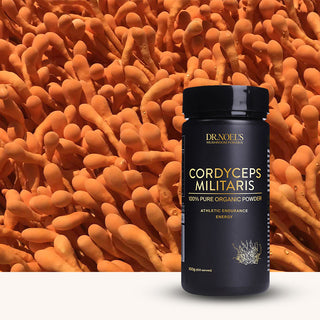
Chronic stress often presents as low energy, exercise intolerance, and flattened daily cortisol rhythms. Cordyceps (Cordyceps militaris and Cordyceps sinensis) has a long history in traditional medicine for fatigue and vitality. Modern research supports several actions that are relevant to stress hormone balance:
-
Enhanced cellular energy and oxygen utilisation
Studies show Cordyceps can improve VO₂ max and exercise performance in healthy adults, suggesting more efficient ATP production at the mitochondrial level. Better cellular energy may help reduce the feeling of “burn out” that accompanies long-term stress. -
Potential modulation of adrenal and steroid hormones
Animal research indicates Cordyceps can influence the production of steroid hormones and support adrenal function under stress, although more human research is needed. -
Anti-fatigue and anti-inflammatory actions
Cordyceps polysaccharides and cordycepin exhibit anti-inflammatory and antioxidant effects that may protect tissues from stress-induced damage and support faster recovery from physical and mental strain.
For people whose hormonal dysregulation shows up as exhaustion, reduced stamina, and “tired but wired” states, Cordyceps powder can be a valuable functional tonic.
Chaga: Inflammation, Antioxidant Defence and Immune Modulation
Chronic stress and disrupted hormones often go hand in hand with low-grade inflammation and oxidative stress. Chaga (Inonotus obliquus) is one of the most potent antioxidant-rich mushrooms studied to date.
-
High antioxidant capacity
Chaga is rich in polyphenols, melanin-like compounds, and triterpenes that exhibit strong free radical scavenging effects. Research suggests Chaga extracts can reduce markers of oxidative stress and protect DNA from damage. Oxidative stress is closely linked with impaired cortisol regulation, insulin resistance, and rapid biological aging. -
Immune modulation rather than stimulation
Chaga polysaccharides appear to balance immune activity, not simply boost it. This is important because chronic stress can both suppress and dysregulate immune function, which in turn affects cytokines that interact with the HPA axis and sex hormone metabolism.
By lowering oxidative and inflammatory load, Chaga powder may reduce some of the systemic pressures that push hormones out of balance.
Reishi: Calming the HPA Axis, Sleep and Autonomic Balance
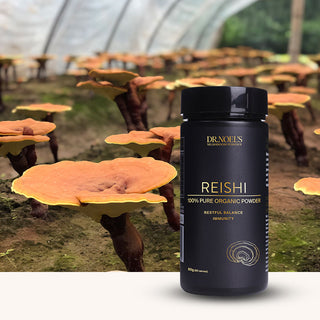
Reishi (Ganoderma lucidum) is often described as a “shen” tonic in Traditional Chinese Medicine, used for calming the spirit, improving sleep, and supporting longevity. For people with hormonal stress dysregulation, Reishi’s effects on the nervous and endocrine systems are particularly relevant.
-
Adaptogenic and stress modulating effects
Animal and in vitro studies suggest Reishi can help normalise HPA axis function, modulate cortisol release, and influence neurotransmitters involved in mood and stress perception. -
Improved sleep quality
Several human studies indicate Reishi can improve subjective sleep quality and reduce fatigue in people with neurasthenia and sleep difficulties. Sleep is one of the single most powerful regulators of hormonal health, from cortisol to growth hormone and appetite-regulating hormones such as leptin and ghrelin. -
Cardiometabolic support
Reishi appears to support healthy blood pressure, blood glucose, and lipid profiles in some populations. Since chronic stress frequently drives cardiometabolic changes, this systemic support can indirectly aid hormonal rebalancing.
Reishi is often considered a cornerstone mushroom when the main concern is chronic stress, anxiety, poor sleep, and autonomic dysregulation. If you’re looking for a calming adaptogen, Reishi powder is a top choice.
Turkey Tail: Gut Immune Axis and Hormone Metabolism
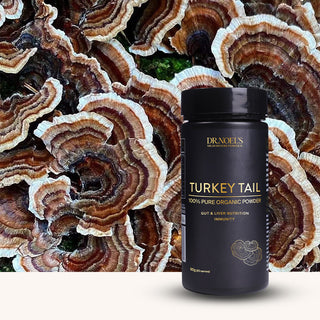
Turkey Tail (Trametes versicolor) is best known for its immune-supporting polysaccharopeptides (PSK and PSP), but it also plays an important role in the gut microbiome. Gut health is closely connected to hormonal balance through the gut-liver-hormone axis.
-
Prebiotic and microbiome modulating effects
Turkey Tail polysaccharides act as prebiotics, feeding beneficial gut bacteria. Human studies show Turkey Tail can increase levels of Bifidobacteria and Lactobacillus species. A healthier microbiome assists in regulating inflammation, modulating stress responses, and aiding the metabolism and excretion of hormones such as estrogens. -
Support for immune balance under stress
Chronic stress alters immune surveillance and inflammatory signaling. Turkey Tail’s immune modulatory actions can help stabilise this response, which in turn influences cytokines that communicate directly with the brain and endocrine organs.
By working at the level of the gut-immune axis, Turkey Tail powder supports one of the most fundamental layers of hormonal regulation.
Why Dr Noels Mushroom Powders Are Different
With over 15,000 customers, Dr Noels Mushroom Powders consistently see a high proportion of users reporting meaningful improvements in energy, mood, sleep quality, and overall stress resilience when they use our extract powders daily over several weeks to months. While results vary, many customers notice reduced “tired but wired” feelings, better ability to handle daily stressors, and gradual improvements in symptoms associated with hormonal stress dysregulation.
Several factors set Dr Noels Mushroom Powders apart on the market:
-
Highest bioavailability
We focus exclusively on concentrated extracts from the fruiting body of the mushroom (not mycelium on grain), standardised for key beta glucans and secondary metabolites. This maximises the proportion of compounds your body can actually absorb and utilise. -
Dual extracted for full spectrum benefits
Each of our core mushrooms is dual extracted with both hot water and alcohol. Water extraction is essential to access beta glucans and polysaccharides, while alcohol extraction draws out triterpenes and other fat-soluble compounds. This yields a more complete, synergistic profile for stress modulation and hormonal support. -
Certified organic and rigorously tested
Our products are certified organic and tested for heavy metals, pesticides, and microbial contaminants. Stress and hormonal dysregulation are long-term issues, so purity and consistency matter when you are taking something day after day. -
Fine, easy mixing powders
Our powders are milled to a fine consistency for excellent solubility in coffee, tea, smoothies, or even just warm water, supporting consistent daily use which is critical for long-term hormonal and stress support.
How to Use Medicinal Mushrooms for Hormonal Stress Dysregulation
For stress and hormonal support, mushrooms work best as daily tonics rather than occasional remedies. A common pattern is:
- Morning: Lion’s Mane and Cordyceps to support energy, focus, and daytime stress resilience.
- Afternoon or evening: Reishi and Chaga for calming the nervous system, reducing oxidative stress, and supporting rest and recovery.
- Anytime: Turkey Tail to nurture the gut microbiome and immune balance.
Most people begin noticing subtle changes in 2 to 4 weeks with more pronounced benefits over 2 to 3 months. As always, work with a practitioner if you have complex endocrine conditions such as Addison’s disease, Cushing’s syndrome, uncontrolled thyroid disease, or are pregnant or breastfeeding.
FAQs
1. Can medicinal mushrooms replace my hormone or thyroid medication?
No. Medicinal mushrooms support the systems that regulate stress and hormones, but they do not replace prescribed hormone, thyroid, or adrenal medications. Never adjust medication doses without guidance from your doctor. Mushrooms are best used alongside, not instead of, appropriate medical care.
2. How long should I take mushroom powders to see benefits for hormonal stress dysregulation?
Most customers report changes in sleep quality, mood, and stress tolerance within 2 to 6 weeks of daily use. For deeper shifts in hormonal patterns, especially after long periods of chronic stress, a 3 to 6 month consistent protocol is more realistic. Mushrooms are food-like allies that work gradually, not quick fixes.
3. Is it safe to combine multiple mushrooms if I am already very sensitive to stress?
Yes, many people with high stress sensitivity benefit from a blend, but the key is to start low and go slow. You might begin with a small dose of Reishi and Lion’s Mane, then gradually introduce Cordyceps, Chaga, and Turkey Tail as tolerated. Because Dr Noels powders are standardised and pure, it is easier to fine-tune your individual dose.
4. Will taking Cordyceps overstimulate my adrenals or worsen anxiety?
Cordyceps is considered an adaptogen. Rather than acting like a stimulant, it helps your body adapt to stress. A few people feel more alert initially, so if you are prone to anxiety, use Cordyceps in the morning and begin at a lower dose. Combining it with Reishi in the evening often balances the overall effect on the nervous system.
5. How do I know if mushrooms are helping my hormonal stress dysregulation specifically, not just my general health?
Track concrete markers over time. For example, note changes in morning energy, caffeine dependence, sleep onset and quality, premenstrual or menopausal symptoms, stress-related digestive issues, and how you react to everyday stressors. Many customers notice that they recover from stressful events more quickly and experience fewer extreme highs and lows, which reflects improved hormonal and HPA axis resilience.
Selected Sources
- Friedman M. Chemistry, nutrition, and health-promoting properties of Hericium erinaceus (Lion’s Mane) mushroom fruiting bodies and mycelia and their bioactive compounds. Journal of Agricultural and Food Chemistry.
- Zhang JJ et al. Cordyceps militaris improves exercise performance and fatigue via mitochondrial function and antioxidant effects. Nutrients.
- Kuhnert R et al. Immunomodulatory and antioxidant effects of Inonotus obliquus (Chaga). International Journal of Molecular Sciences.
- Wachtel Galor S, Yuen J, Buswell JA, Benzie IFF. Ganoderma lucidum (Reishi) in cancer treatment and supportive care and its effects on immune and inflammatory pathways. The American Journal of Chinese Medicine.
- Patel S, Goyal A. Recent developments in mushrooms as anti cancer therapeutics: A review. 3 Biotech. (Includes discussion of Trametes versicolor and microbiome immune interactions.)